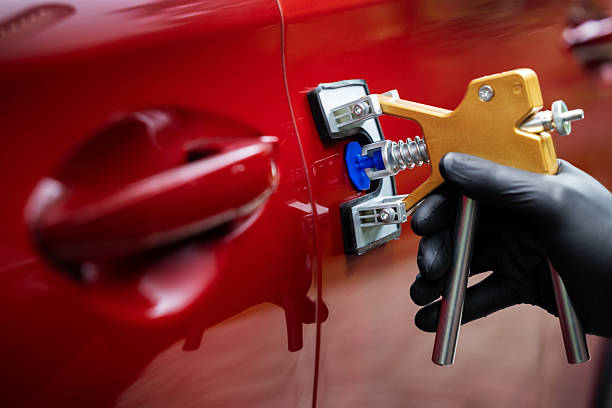
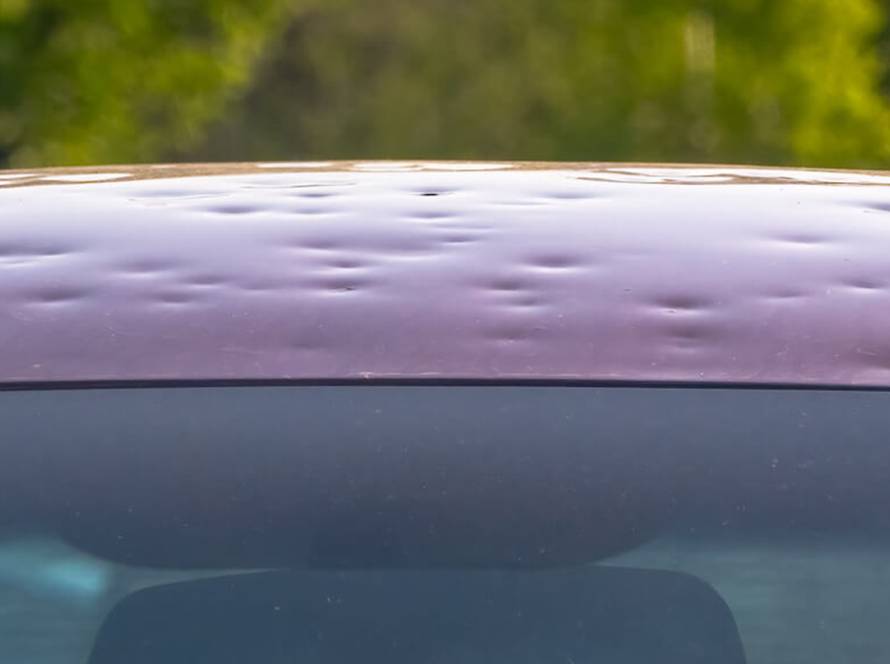
Hail, runaway shopping carts, and tight parking spots can leave annoying dents on any vehicle. Years ago, fixing them meant a body-shop visit, several days without your car, and a bill that hurt. Mobile dent repair changes that story by bringing the workshop to your driveway. Skilled technicians arrive with compact gear, reshape metal in hours, and often keep the factory paint intact. This on-site approach is gaining fans because drivers crave speed, lower cost, and less hassle. Instead of arranging rides or waiting in line, you sip coffee at home while your hood or door is restored. In this guide, we explore the best methods these mobile pros use, look at handy do-it-yourself tricks, and share facts that help you decide which option suits your schedule and budget.
Why Choose Mobile Dent Repair
Mobile service is not only about saving a trip; it tackles three common worries in one visit. First, time: most dents smaller than a tennis ball take forty to ninety minutes, so you lose neither a whole afternoon nor workplace hours. Second, money: by skipping paint, sanding, and large overhead, technicians often charge thirty to fifty percent less than a traditional shop. Third, value: keeping the original finish avoids color mismatch and keeps resale numbers healthy. A 2024 survey by the Automotive Service Association found that cars repaired with paintless techniques kept on average eight percent more trade-in value than those that were repainted. Add the comfort of watching the process from your driveway, and the appeal becomes clear. No wonder bookings keep rising quickly.
Understanding Paintless Dent Repair
PDR is the backbone of mobile dentistry. It restores panels by shifting metal back into place without harming factory paint. How it works:
Inspect dent depth, crease length, and paint stretch.
Reach behind the skin through wiring holes or trim gaps.
Push with shaped steel rods or soft tips toward the center.
Tap down small highs using nylon hammers.
Technicians track progress with a strip light that turns ripples into clear lines. Each push is measured, moving metal a fraction at a time until reflections run smoothly. No filler, sanding, or color match is needed. A successful PDR leaves the surface flawless and preserves resale value. Industry tests show panels up to twenty inches respond well to this method on aluminum bodies.
Tools Technicians Bring on Site
Mobile experts pack smart kits that fit in a van yet rival shop gear. Essentials include:
Rod set: long carbon-steel bars with curved, blunt, or sharp ends for pushing metal.
Glue pull kit: tabs, slide hammers, and alcohol to lift dents where back access is blocked.
LED reflector board: bright panel that shows distortion lines for precise pushes.
Knockdown set: plastic tips and light hammers to flatten highs.
Heat gun: keeps paint flexible on cold days and prevents cracking.
Mini jack: spreads bracing to create space behind tight braces.
Many kits weigh under thirty pounds, so stairs and parking garages pose no problem. With battery lights and cordless tools, repairs happen even when power outlets are scarce after dark.
Glue Pull Repair Explained
When a dent sits behind a double wall or crash beam, technicians switch to glue pulling. Small plastic tabs are bonded to the dent with hot glue that peels away without hurting the paint. A slide hammer or lifter grips the tab and tugs the metal outward. Steps to success:
Clean panel with isopropyl alcohol for strong adhesion.
Heat the tab to keep the glue viscous.
Apply steady, even pulls, avoiding sudden jerks.
Remove residual glue with citrus solvent.
This method works on steel and aluminum panels and handles dents up to three inches wide. A 2023 Mobile Repair Institute study found glue pull reduced repair time by forty percent on hoods compared with rod access. It is quiet, clean, and safe for electric vehicles.
Using Hot Water and Plunge
For small, shallow dents on plastic bumpers, a mix of heat and gentle suction can save a workshop call. Boil a kettle, pour the water over the dent, and quickly press a clean toilet plunger against the warm surface. The softened plastic flexes, and the plunger’s vacuum helps pop the shape back. Keep these tips in mind:
Wear gloves to avoid burns.
Work outdoors to prevent spills on floors.
Use slow, steady pulls rather than abrupt yanks.
Success rates are high on unpainted textured bumpers and shallow depressions under two inches. If the dent does not move after three tries, stop. Repeated heating can weaken the paint and clear coat. At that point, a mobile specialist remains the smart choice for most drivers.
Vacuum Dent Removal Kits
Hardware stores now sell plastic suction cups marketed for at-home dent pulls. They work by gripping the panel with negative pressure created by squeezing the handles together. Advantages include reuse and no chemicals, yet results vary. Follow these guidelines:
Clean the panel and cup to avoid slipping and to gain a grip.
Center the cup over the deepest point.
Pump handles until resistance increases.
Pull straight out, not sideways, to limit paint stress.
A study by Consumer Auto News showed cups removed or reduced dents in fifty-two percent of tests on steel hoods, but only fifteen percent on tight body lines. Large dents over four inches rarely move. For stubborn spots, pros pair suction with warm panels or finish the job with PDR rods.
When to Opt for Fillers
Paintless methods cannot fix every dent. If paint is cracked, metal is sharply creased, or damage sits on a panel edge, a filler and repaint remain the reliable path. Mobile teams can still help by prepping the area at your location. They sand down rough metal, apply lightweight body filler, and smooth it to factory curves. A quick-dry primer follows, sealing the surface for a later paint booth visit. Situations that call for this route include:
Damage deeper than a quarter inch.
Torn metal around the wheel arches.
Previous repairs with thick putty.
While this approach adds cost, it stops rust and keeps panels structurally sound until full paint work can be scheduled. Many insurers approve a staged repair based on photo evidence.
Cost and Time Statistics
Numbers help drivers make smart choices. Here are recent figures gathered from five large mobile repair franchises in 2024:
Average PDR on a coin-sized door ding: $85 and 30 minutes.
Hail event bundle of ten dents: $450 and two hours.
Glue pull repair on aluminum hood dent: $180 and 50 minutes.
Filler prep for sharp crease: $120 and 40 minutes.
For comparison, traditional body shops quoted an average of $310 for the same coin-sized ding, mainly due to repaint costs and overnight drying. Mobile service also avoids rental car fees, which average $45 per day in the United States. When time off work is considered, mobile solutions often save another $100 in lost wages. These savings multiply during peak hail months nationwide.
Tips for Choosing a Service
Not all mobile dent repair firms offer the same skill set. Use this checklist before booking:
Certification: look for techs trained by PDR academies or trade groups.
Experience: five or more years often means thousands of completed panels.
Insurance liaison: Shops that handle claim photos speed up payment.
Warranty: A lifetime guarantee on the repaired area is common.
Reviews: scan photos in feedback, not just star counts.
Ask for a written quote that lists the dent count, method, and expected finish. Clear communication avoids surprise charges and builds trust. Finally, make sure the van has full business insurance so any accidental damage is covered. With the right choice, your car can look fresh again before lunch break on repair day itself.